Feb 12, 2018


In many countries around the world, carnival is a massive celebration. In Bolivia, it is celebrated throughout several weeks in February. Tarija in particular celebrates friendship and good humor. On the 8th of February, it was the celebration of comadres, meaning women. Men on this day will offer baskets of food to the women they want to seal their friendship with. Groups of women were seen wearing similar outfits and dancing in the streets. By 10am, beer was sold in the streets!
 Then, there is a day for the party of the districts. Each district organizes a “barra” where people dance, eat, drink and throw water. This day was Feb 12th this year. I walked around the main plaza during that day and it seemed like the whole town had come out to party. Small children were holding big water guns, spraying anyone who walked by. Others had water balloons or cans of foam. Only women wearing traditional clothing walking the streets were exempt from falling victim to them. Indeed, I got sprayed with water and foam a few times during the day. In the morning, there were large trucks lined up in the streets with massive water tanks spraying people. By the afternoon, the fountain located in the main plaza had run dry from all the kids filling up their water guns or balloons. Around 5pm, the party was over as a group of police officers were chasing people out of the fountain.
Feb 13, 2018
The celebrations are not yet done before the actual day of the carnival with the “challa”, or car, of the house to ensure there will be no problems during the year. This day was also the day I had to take a bus to Tupiza for a tour to the salt flats. I had messaged the bus company previously and they told me the bus would be running on schedule. Upon arrival to the Nueva Terminal de bus, I found myself among many locals waiting around; the bus terminal was closed and no one knew why. In South America, you can catch shared taxis, called truffis, that bring you from one city to the next. Many of these were parked in front of the terminal and locals were slowly getting on to them one by one. I asked many drivers if they were going to Tupiza and they all told me a hard no.
However, I soon met a local woman. My understanding from her saying was that buses were running from another terminal. We hopped into a taxi together and headed to Parada Norte, a much smaller and more run-down bus terminal. Buses were running there and somehow I got my ticket to Tupiza from the same bus company I had originally planned. The normal bus schedule was at 10am but this one was at 11:30am. Among the passengers, there was Esther who was the only person I had met so far fluent in English. She was heading to Tupiza for work as cook and English guide for a salt flats tour. She quickly convinced me to join her tour that was leaving the next day. I had originally booked with another tour company but was told the tour was be postponed because the other people were also having trouble getting to Tupiza.
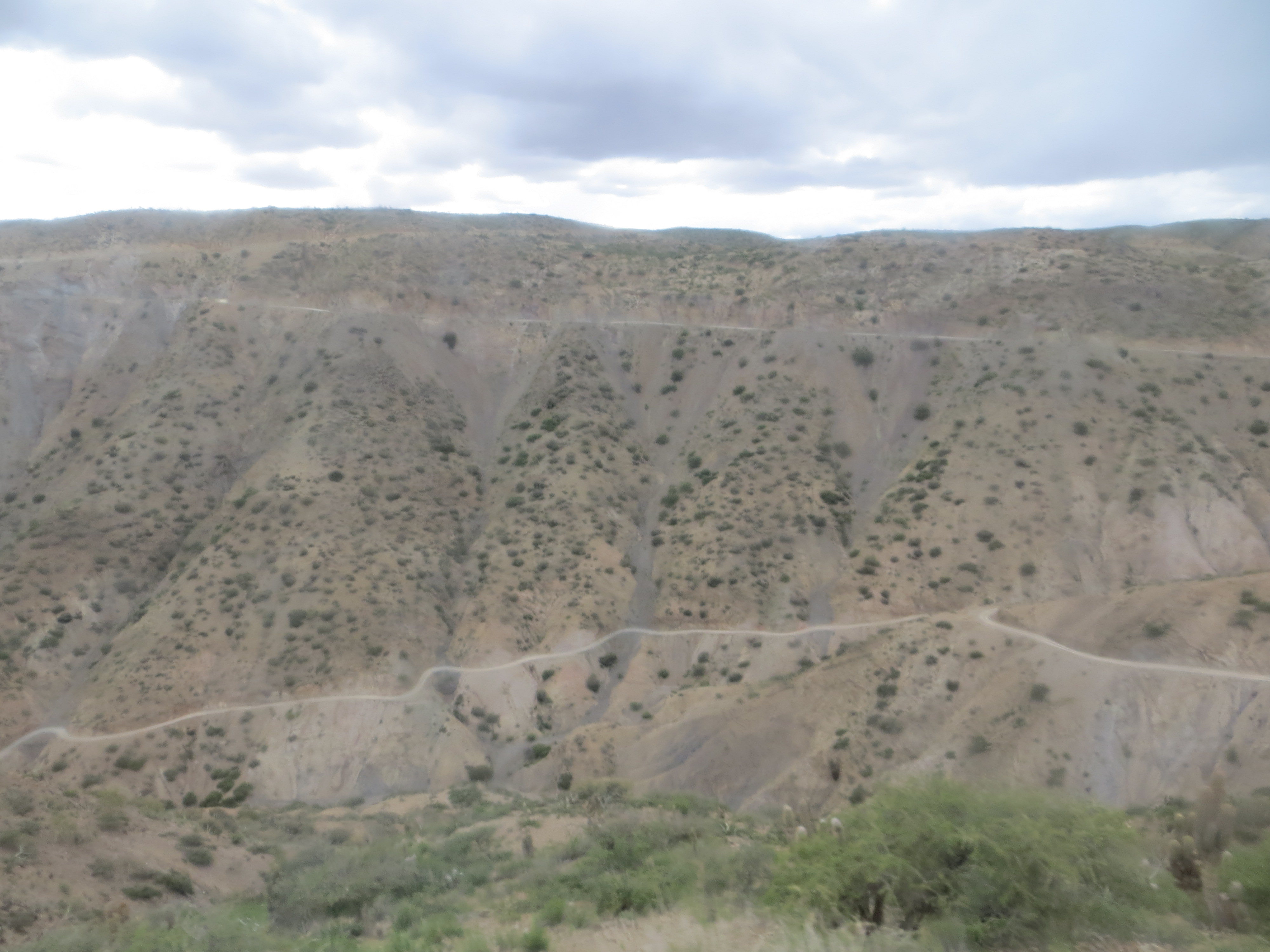
Even with unexpected interruptions from the carnival, I arrived at where I needed, joined the tour I wanted and left with the tour on the day I had planned. There were many bumps along the way, and literally too, but it all worked out according to plan. As backpackers say, “It is either a good time or a good story!”